
Dating violence can go unnoticed until it turns deadly, a lesson that became painfully real for Julie Myers, CEO of the One Love Foundation, after the death of the University of Virginia lacrosse player she coached, Yeardley Love.
“I really wish that we understood the behaviors that Yeardley was experiencing, and I really wish we didn’t sweep so many things under the rug or offer so many excuses,” Myers said.
Yeardley Love was a victim of teenage dating violence, Myers said. 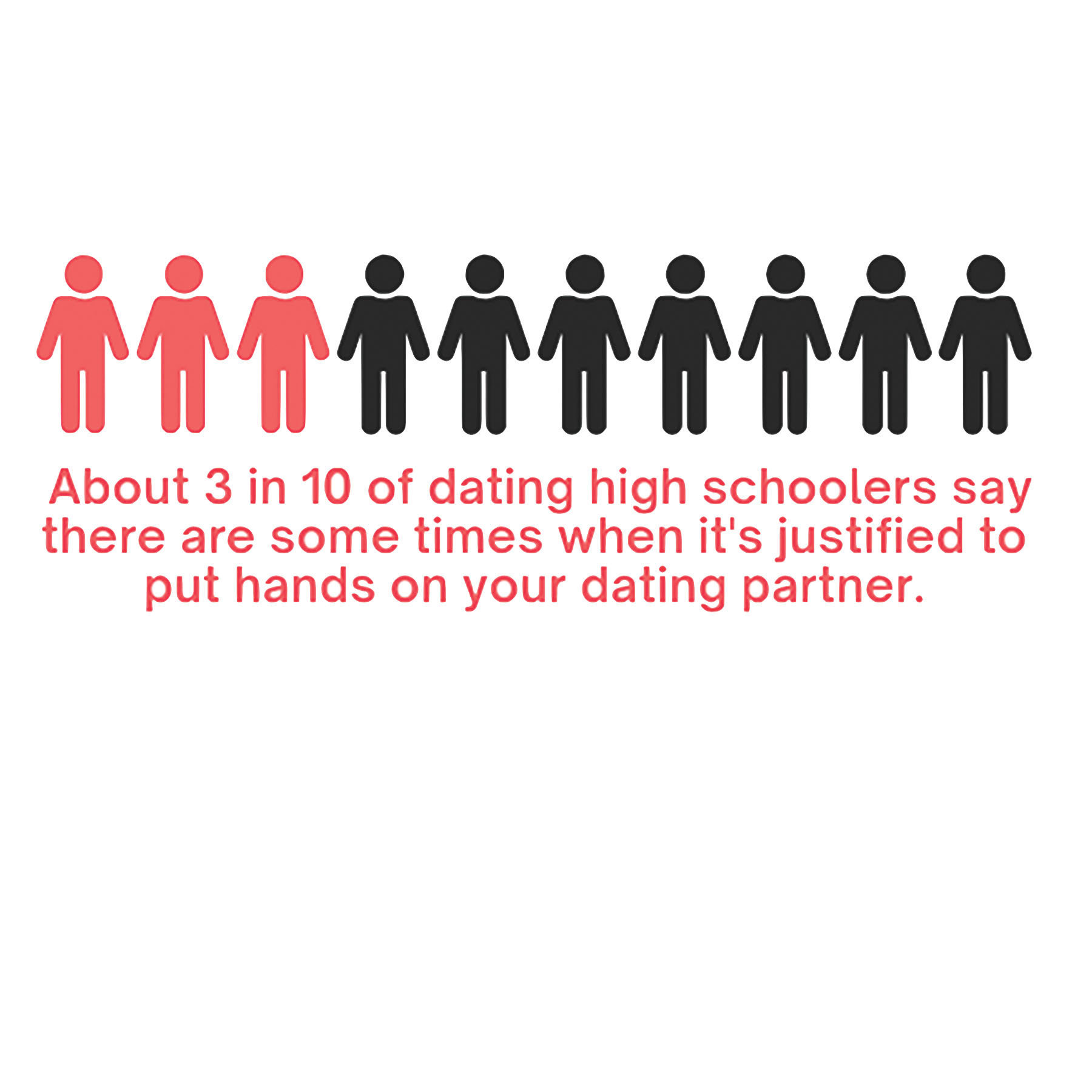
February is Teen Dating Violence Awareness Month.
Dating violence is most commonly experienced between the ages of 16 and 24, Myers said.
According to Daphne King, assistant professor of social work at George Mason University, teen dating violence is similar to any type of violence or abuse within a romantic or dating relationship.
“When we talk about teen dating violence, we are looking at things that occur physically, like kicking, punching, hitting and choking,” said King. “We can also talk about things that occur psychologically.”
According to Sherry Hamby, distinguished research professor of psychology at the University of the South, people often focus on slapping, pushing, or sexual assault, but teen dating violence includes other forms of coercion, like not letting your partner go out with friends.
“Any kind of coercive control, excessive jealousy or surveillance are big red flags,” said Hamby. “Like making your partner send you a photo to prove that they really are where they said they were going to be.”
According to Dorothy Espelage, distinguished professor of education at the University of North Carolina at Chapel Hill, boys and girls report equivalent levels of verbal and physical victimization.
“However … boys are more likely to be the sexual violence perpetrators,” said Espelage. “That’s forcing sex, holding sex over your head or [saying], ‘You don’t love me if you don’t have sex with me.’”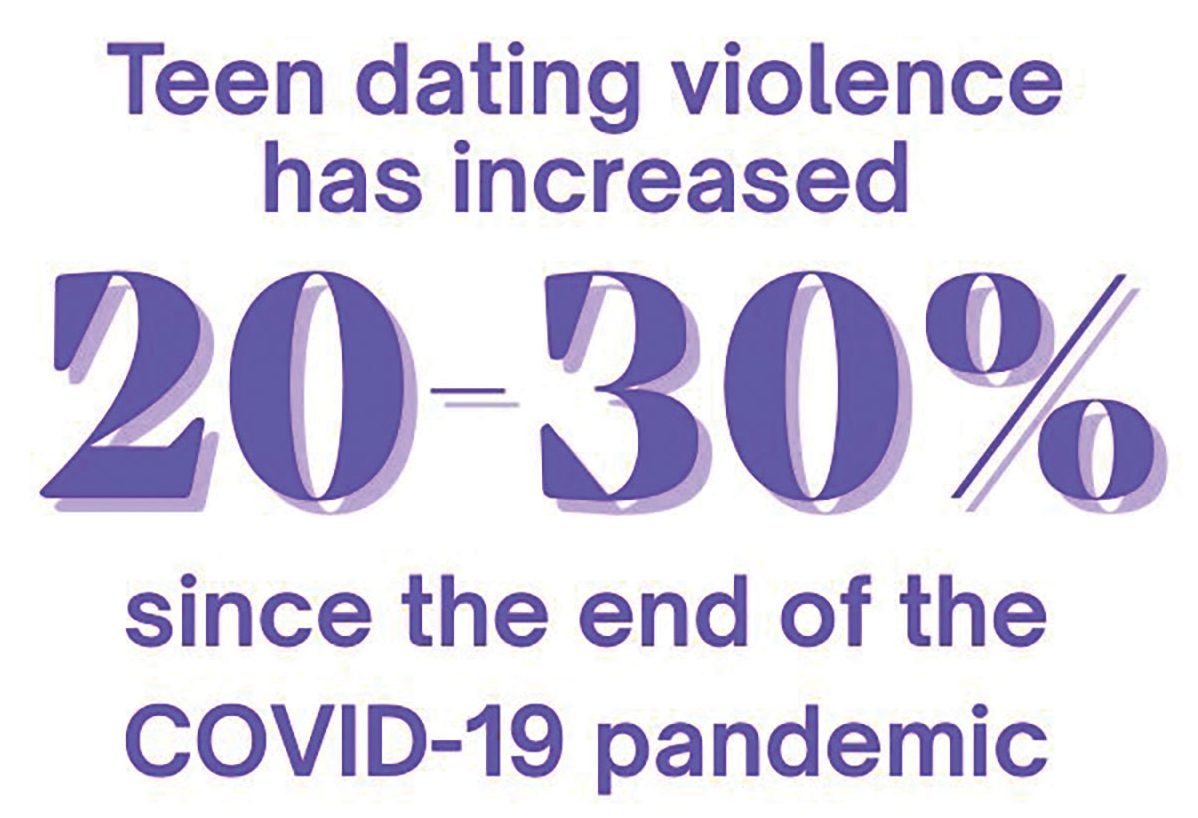
According to Susanne Smetana, community engagement coordinator at Jennifer Ann’s Group, a nonprofit charity for spreading awareness about teen dating violence, love bombing is a way people end up in abusive relationships.
“Love bombing is overwhelming you and flattering you with good and positive things, buying you things, that kind of stuff, and that’s a red flag because it’s not a sustainable behavior,” Smetana said.
According to Myers, staying true to who you are, what you love and what you hope to get out of the relationship is a good starting point for a healthy relationship.
“If you’re worried about someone, talk about the behaviors you’ve noticed, not the person who’s doing them,” Myers said.
“I don’t want anyone else to lose somebody that they love, somebody that they lean on and somebody that they admire and respect and want to see every day, because they didn’t know what they were looking at,” Myers said.
Below are available resources for help:
Student Support Team, which includes school counselors, social workers, psychologists and deans are able to provide support, assess safety concerns and connect students with appropriate interventions and resources.
The National Domestic Violence Hotline is 1-800-799-7233.
TextForHelp: Text “GBN HELP” to 844-823-5323.