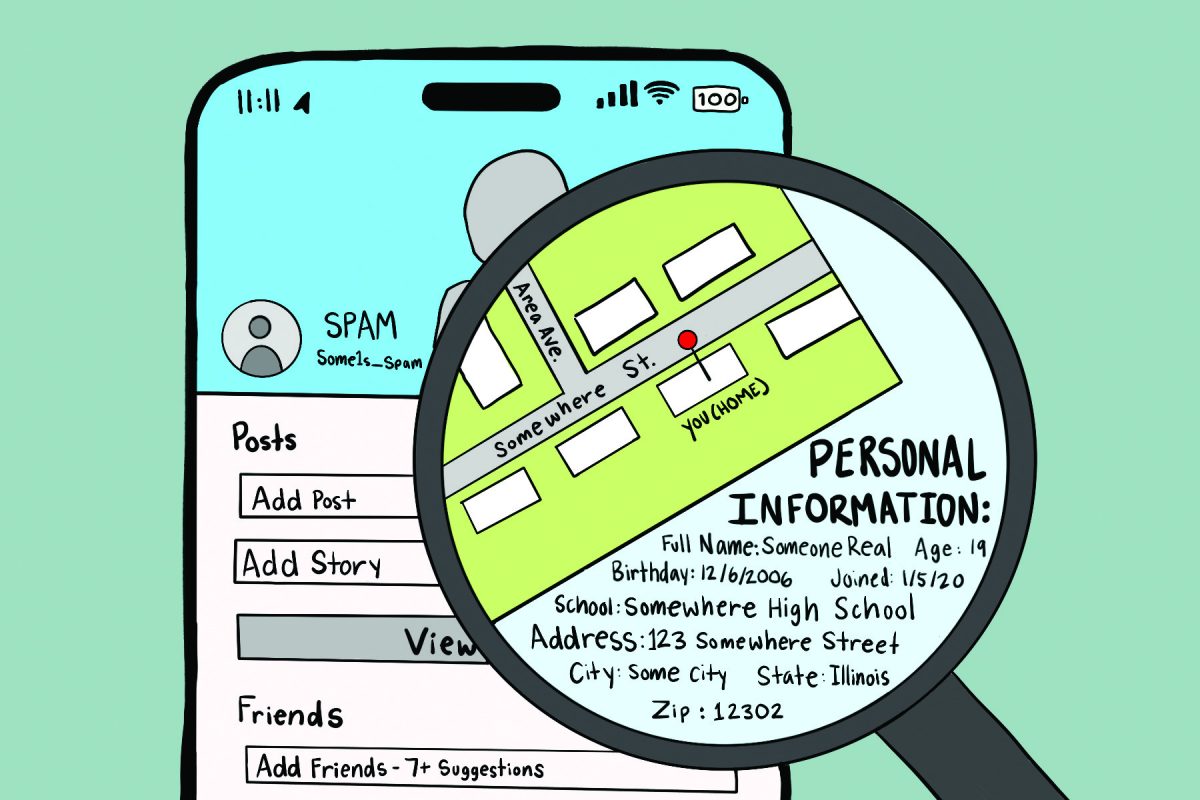
When you first started sharing your location on Snap Map, it probably felt harmless. Just a fun and convenient way to see who is at the football game or if your friends are on the way to pick you up. But that little pin on the map does more than share your plans. It can expose your entire life.
Paul Davis, an online safety and social media educator, has reached 1 million students through presentations on safe online behavior and social media use.
When Davis tells students that he can find out where they live, go to school, hang out, or what hotel they are staying at during their football tournament, they look stunned.
“And I say, ‘Well, you’ve allowed it to happen,’” said Davis. “So reclaim your privacy, number one, and stop sharing your location.”
Human traffickers and stalkers use Snap Map to find where teenagers are and who they are with, which is why users should turn on “Ghost Mode,” a feature that hides your location, and refrain from publicly posting where they are, Davis said.
Between private stories, “finstas” and “spam accounts,” oversharing online has become normalized. What used to be private, our thoughts and hangouts, can now play out in real time for anyone to see. While social media may feel like a safe space to vent, the truth is that every post and action contributes to a digital footprint that is far from temporary.
Posting while experiencing emotions can also have lasting negative consequences. Impulsive posts can resurface years later, potentially damaging reputations and careers and limiting opportunities.
“Never go from your emotions to your fingertips,” said Davis. “Meaning, I know something online may trigger you, that’s called human nature, but if you respond immediately, your words could have a lot of impact, not only for the now, but for the future.”
Deciding who gets to see one’s posts is as important as the content within those posts. The pressure to gain more followers on social media can make users more lenient with who they allow to follow them.
“If there’s one thing you should all do as you’re reading this article, [it’s] go back and authenticate every person that you permitted in your life [online],” said Davis. “If you don’t know them, get rid of them.”
“If you have a really good, secure account with real human friends [and] relatives, go ahead and share your vacation pictures, but when you come back from vacation,” Davis said.
We urge students to pause before they post or make private information available. What may seem like a harmless update can have serious consequences to personal safety and future opportunities. Do not be impulsive. Be cautious.
“There’s a saying I live by: Tell the world where you’ve been and what you’ve done, not where you’re going and what you’re doing in real time,” Davis said.