
Blue and orange suddenly flooded social media feeds after the Chicago Bears won a playoff game for the first time in 15 years. Friends and family who had never seemed interested in football instantly became huge Bears fans, exclaiming “Bear down!”
Many of these fans admitted they had not watched a game in the past few years when the team was struggling. Their excitement was real, but it was also clearly tied to winning.
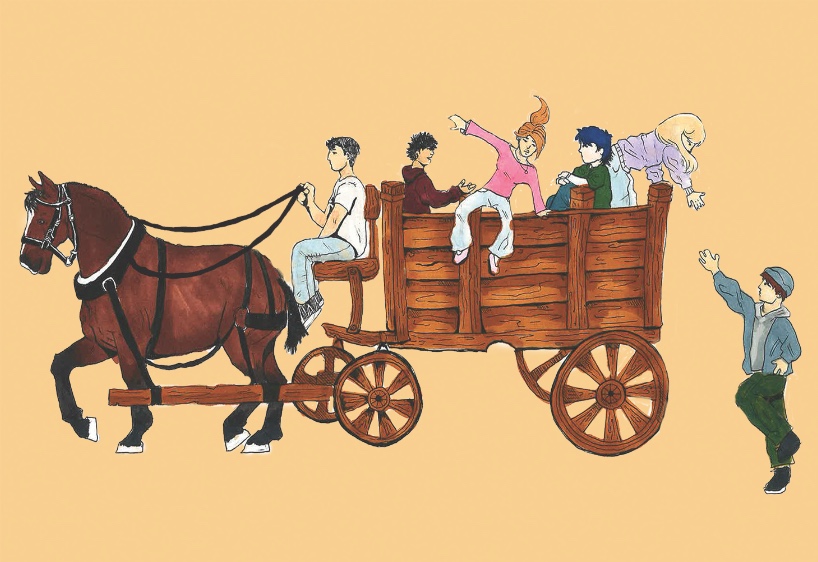
This new surge in fans is an example of the bandwagon effect: a psychological phenomenon in which people adopt certain behaviors, beliefs or interests simply because many others are doing so. The more popular something becomes, the more attractive it seems.
We look to others for cues about what matters, what is successful and what is worth our time. The common assumption is that if many people are doing something, it must be the correct or most favorable course of action.
When a team starts winning, a song goes viral or a TV show gains attention, interest can accumulate because of visibility. Social media accelerates the process, while algorithms reward popularity. The more likes, views and reposts a piece of content gets, the more it is pushed out to new audiences. Popularity produces exposure. Exposure produces more popularity. This makes jumping on the bandwagon an easy and often unconscious act.
Some loyal sports fans may argue that if an individual has not been supporting a team through the bad seasons, they cannot truly appreciate the satisfaction of finally seeing success. But rather than feeling bitter, we urge individuals to recognize that there can also be positive outcomes.
When a sports team succeeds, shared excitement can bring people together who otherwise might not have connected. Cheering for the same team creates room for conversation and a sense of belonging. The bandwagon effect can also help spread beneficial behaviors. Seeing peers recycle, vote or speak out can motivate others to do the same. Popularity can thus be a tool for progress.
Yet the downsides of the bandwagon are real. When popularity becomes the main reason for support, loyalty can be fragile. To ensure support is long-lasting, welcome bandwagon fans and encourage them to lean into their excitement. Creating a sense of community around a common cause can make individuals feel valued and more inclined to stay engaged.
Next season when you are gearing up to watch the Bears, lean into the bandwagon. Through acceptance, let shared interest make the community stronger.